Beyond the Gold Coins — What Lakshmi's Lotuses Truly Mean
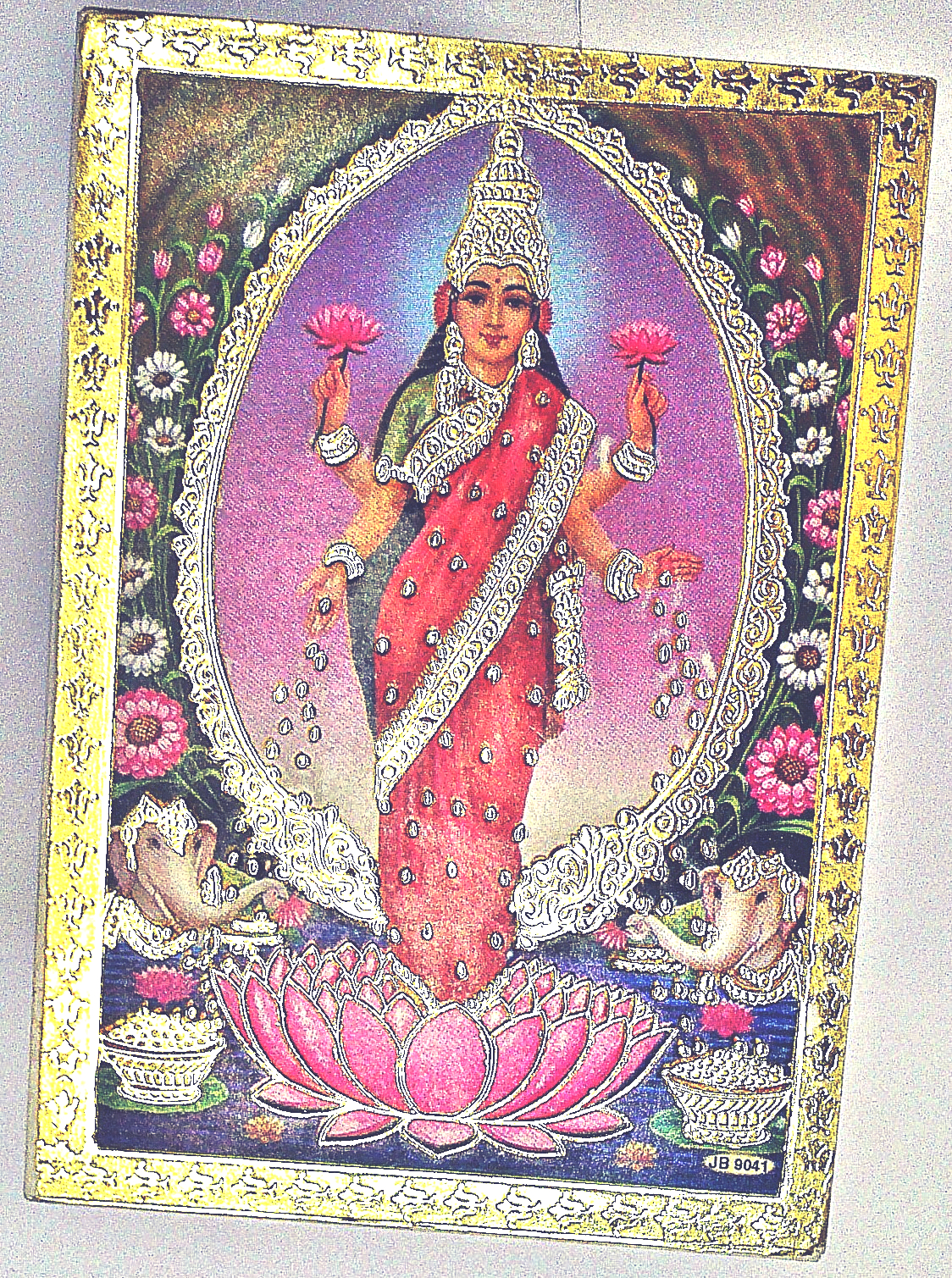
You've seen the images: Goddess Lakshmi, showering gold coins, seated on a lotus. The lotus is often overlooked, a mere decorative element in the grand tableau of her iconography. But in Hindu tradition, the lotus is a symbol of profound spiritual significance, representing the journey of the soul from the muddy depths of material attachment to the radiant heights of enlightenment. It's said that the lotus blooms most beautifully in the muddiest of waters, yet remains unsoiled by them, a potent metaphor for the human condition. Lakshmi's association with the lotus is no accident, and the fact that she's often depicted with multiple lotuses in her hands is a deliberate choice, not just a flourish of artistic expression. Each of these lotuses points to a different, yet interconnected, form of wealth, a distinction that's crucial for understanding the true nature of prosperity. The lotus, in this context, is not just a pretty flower, but a map to the inner workings of divine abundance.
The Lotus as a Sacred Vessel of Purity and Potential

The lotus, emerging pristine from muddy waters, is a potent symbol of spiritual purity and detachment. It's as if the flower is saying, don't judge me by my surroundings. This paradox of beauty rising from ugliness speaks to the human condition, where our true nature can unfold despite the chaos around us. The lotus represents the unfolding of divine potential from material existence, a concept that's deeply rooted in Hindu philosophy.
In various Vedic and Puranic texts, the lotus, or padma, is associated with creation, beauty, and auspiciousness. It's a symbol that transcends the mundane, pointing to the divine. The lotus is often linked with Brahma, the creator, and Vishnu, the preserver, highlighting its connection to the divine.
The different stages of the lotus, from the unopened bud to the fully bloomed flower, signify various levels of spiritual realization and manifestation. The unopened bud represents potential, the promise of something beautiful to come. As it blooms, the lotus signifies the unfolding of that potential, the realization of one's true nature. This journey from bud to bloom is mirrored in the human experience, where we strive to realize our full potential.
The association of the lotus with Lakshmi, the goddess of prosperity, is not accidental. It's a deliberate choice, meant to convey the intricate relationship between spiritual growth and material abundance. The lotus in Lakshmi's hands is more than just a symbol of beauty; it's a map to the inner workings of divine abundance. By understanding the symbolism of the lotus, we can gain insight into the true nature of prosperity, and how it's intertwined with spiritual purity and detachment.
Unpacking the Three Lotuses: Material, Spiritual, and Auspicious Wealth

The lotus in Lakshmi's lower right hand, often depicted with coins flowing from it, represents the concept of artha, or material wealth and abundance. This symbolizes the divine mother's blessings for our worldly needs, providing us with the sustenance and resources necessary to live a comfortable life. It's a reminder that spiritual growth and material abundance are not mutually exclusive, but rather intertwined aspects of a fulfilling life. You've probably seen images of Lakshmi with this lotus, and it's meant to convey the idea that our basic needs will be met when we approach life with a sense of devotion and reverence.
The upper right hand of Lakshmi holds a lotus that's often shown pointing downwards, signifying the granting of boons and spiritual growth. This lotus represents the principles of dharma and moksha, or spiritual righteousness and liberation. It's the ultimate goal of human existence, and it's what gives our lives a sense of purpose and direction. That's why this lotus is often associated with the idea of inner richness and spiritual fulfillment. It's not just about accumulating wealth or possessions, but about cultivating a deep sense of inner peace and contentment.
In her left hand, Lakshmi holds a lotus that embodies the principles of kama and siddhi, or divine grace and auspiciousness. This symbolizes the fulfillment of our desires and the overall blessedness of our lives. It's about living in harmony with the world around us, and experiencing a sense of perfection and completion. When we consider these three lotuses together, we get a complete picture of divine prosperity as understood in Vedanta and Tantra. It's not just about accumulating wealth or achieving spiritual liberation, but about living a life that's balanced and harmonious, with all aspects of our being in alignment.
The synthesis of these three aspects - material security, spiritual advancement, and overall auspiciousness - reveals a profound truth about the nature of prosperity. It's a multifaceted concept that encompasses not just our external circumstances, but also our inner state of being. By embracing this holistic understanding of prosperity, we can cultivate a deeper sense of gratitude and appreciation for the blessings in our lives, and live in greater harmony with the world around us. Lakshmi's three lotuses offer us a powerful symbol of this integrated approach to prosperity, reminding us that true abundance and fulfillment arise from the interplay of material, spiritual, and divine forces.
Cultivating Holistic Prosperity Through Lakshmi's Iconography
Lakshmi's lower-right lotus, often overlooked, holds a profound secret to invoking the energy of artha, or material prosperity. By practicing gratitude for the blessings in our lives, no matter how small they may seem, we can begin to shift our perspective on what it means to be prosperous. This isn't just about being thankful for what we have, but also about being mindful of how we use our resources. Engaging in ethical financial stewardship, such as living within our means and using our wealth to support causes that uplift our communities, can be a powerful way to cultivate a sense of abundance that's not just about accumulating more. You've probably noticed how a sense of gratitude can change your relationship with money.
As we cultivate this sense of gratitude and responsible stewardship, we can begin to nurture our spiritual growth, reflecting the symbolism of the upper-right lotus. This can involve practices like meditation, study of scriptures, and selfless service, all of which help us connect with something larger than ourselves. Meditation, for example, can help us develop a greater sense of inner peace and clarity, allowing us to make more intentional decisions about how we use our resources. That's when spiritual growth starts to feel more tangible.
The left-hand lotus, often associated with siddhi, or divine accomplishment, reminds us that true prosperity is not just about accumulating wealth or material possessions, but about living a life that's filled with purpose and meaning. By setting positive intentions, taking compassionate action, and maintaining a balanced perspective, we can invite more auspiciousness into our lives. It's not always easy, and that's what makes it worth exploring. Lakshmi's iconography depicts a state of being that's not just about getting what we want, but about living in harmony with the world around us.
True prosperity, as depicted by Lakshmi's iconography, is a harmonious integration of material well-being, spiritual depth, and life's overall blessedness. It's not just about accumulating more, but about cultivating a sense of inner fulfillment and peace that allows us to live in greater harmony with the world. That's what makes Lakshmi's three lotuses such a powerful symbol of holistic prosperity.
The Full Bloom of Divine Abundance
Lakshmi's three lotuses are not mere ornaments but a sacred visual guide to holistic prosperity. They remind us that true wealth encompasses material sustenance, spiritual growth, and divine auspiciousness. This integration of artha, dharma, and siddhi is what sets us on the path to complete and divine abundance. It's a path that requires balance. You've got to nurture all aspects of your life. By understanding and embodying these distinct yet connected principles, we can cultivate a life of true prosperity. Reflect on which lotus's energy you most need to cultivate today, and set a simple intention to nurture that aspect of your prosperity.
References
- Lotus Flower, Hindu Sacred Flower, Lotus Flower Symbolism
- The Symbolism of the Padma (Lotus) in Hinduism: A Divine Bloom in ...
- The Goddess Lakshmi: Grantor of Divine Wealth and Power
- ✨ Ten Hidden Symbols of Maa Lakshmi ✨ Every ... - Instagram
- Why does the goddess Lakshmi hold lotus flowers in both hands?
- 𝙻𝚊𝚔𝚜𝚑𝚖𝚒, the principal Hindu goddess known as ... - Instagram
- "Laxmi aka Lakshmi is the Hindu goddess of wealth, fortune, and ...
- Lakshmi's symbolism with the lotus flower - Facebook

