
More Than Just a Harvest Festival
As the vibrant beats of Bhangra and Giddha fill the air during Vaisakhi, have you ever wondered if there's a deeper spiritual current flowing beneath the joyous harvest celebrations. The smell of freshly cut wheat and the sound of drums signal a time of abundance, but it's not just the land that's being thanked. In the ancient Vedic tradition, harvest festivals were seen as opportunities to offer gratitude to the divine for the bounty of the earth. It's in this context that the dances of Vaisakhi take on a new meaning, as they're not just expressions of joy, but prayers of gratitude and prosperity, directed at a goddess who embodies the very spirit of abundance. The rhythms and movements of Bhangra and Giddha are a testament to the enduring power of this tradition, one that continues to inspire devotion in people today.
Vaisakhi's Agricultural Heartbeat and Its Divine Patron

Shri Lakshmi's presence is felt deeply in Punjab's Vaisakhi celebrations, as the goddess of wealth and fortune is believed to bless the land with a bountiful harvest. Vaisakhi, marking the traditional solar new year, is a time when the Rabi crop harvest comes to a close, and the community gathers to give thanks for the earth's bounty. It's a moment of great significance, as the success of the harvest is directly tied to the well-being of the people. Ancient agrarian societies understood this connection intimately, and it's no surprise that they linked successful harvests to divine blessings, making a prayerful acknowledgment essential to their rituals.
The concept of annapoorna, or the provider of grains, is central to Lakshmi's domain, and it's this aspect of her character that makes her so crucial to harvest rituals. As the goddess who ensures the earth's fertility and the people's prosperity, Lakshmi's blessings are sought by farmers and villagers alike. The rhythms and movements of Bhangra and Giddha dances, performed during Vaisakhi, are a way of honoring Lakshmi and expressing gratitude for the abundance she provides. It's a beautiful expression of devotion, one that acknowledges the intricate web of relationships between the earth, the community, and the divine.
In this context, Vaisakhi's agricultural heartbeat is closely tied to the worship of prosperity deities like Lakshmi, who embody the spirit of abundance and generosity. The festival's historical significance as a harvest celebration is deeply rooted in the region's agrarian traditions, and it's here that we find the true meaning of Vaisakhi's joyful dances and rituals. They're not just expressions of joy, but a way of acknowledging the divine blessings that make life possible, and that's what makes Vaisakhi such a powerful and enduring celebration.
The Dance as Devotion: Bhangra and Giddha's Lakshmi Puja

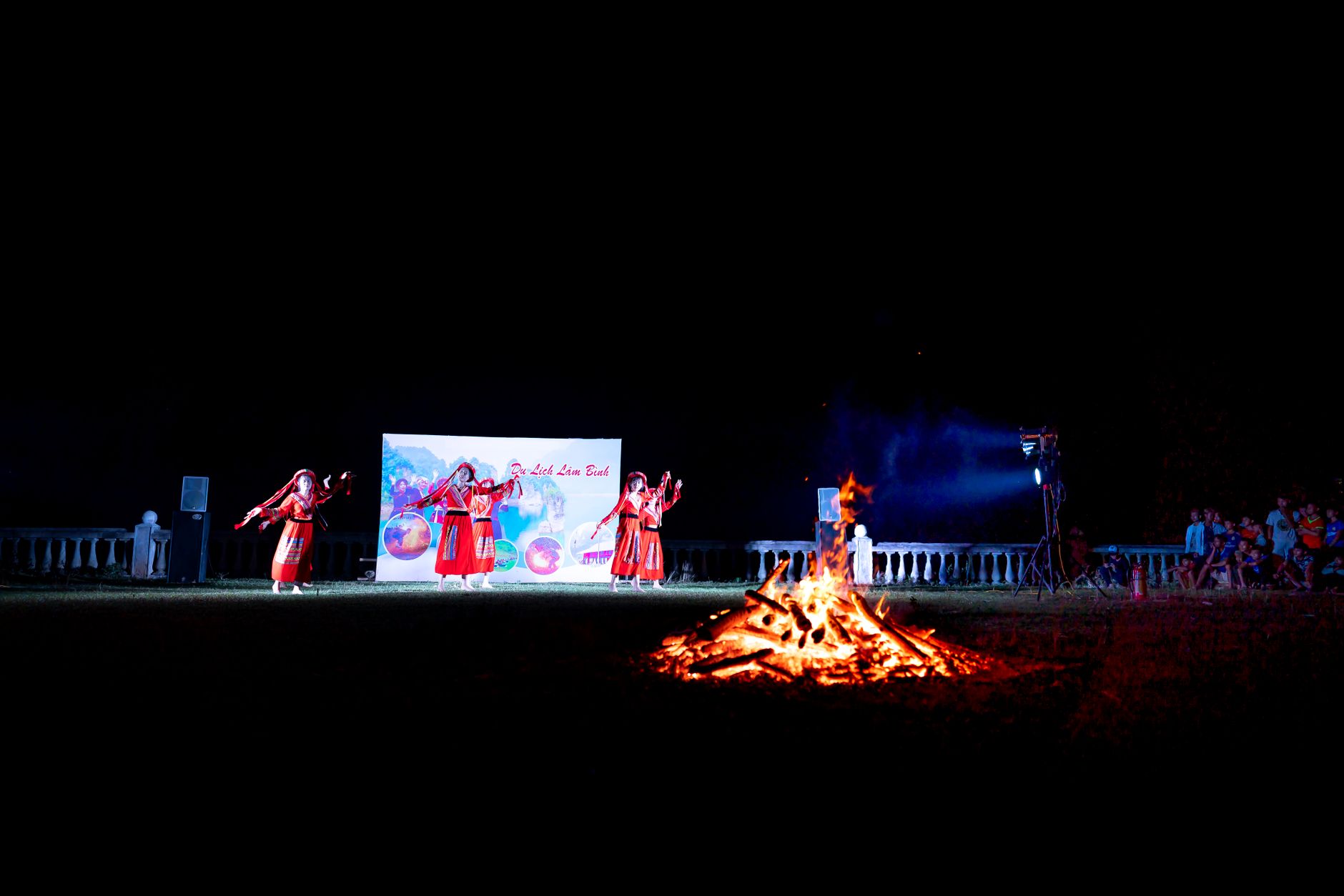
The energetic spins and leaps of Bhangra, coupled with the graceful twirls of Giddha, are more than just expressions of joy - they're a nuanced language of devotion, speaking directly to the heart of Shri Lakshmi. You've probably noticed that the dancers' movements are often symbolic, representing the abundance of the earth and the gratitude that comes with a bountiful harvest. It's no coincidence that these dances are performed during Vaisakhi, a time when the community comes together to give thanks for the land's prosperity. The concept of upachara, or acts of service and worship, is key to understanding the role of dance in this context - the rhythmic energy and heartfelt expression of Bhangra and Giddha function as a potent form of nritya-seva, or dance service, to the divine. Dance becomes a way to connect with the divine, and the communal spirit of these performances is a big part of that. When people come together to dance, they're not just celebrating the harvest - they're engaging in a collective act of thanksgiving for the prosperity that Lakshmi represents. The vibrant attire and joyful atmosphere of the dances are also noteworthy, as they mirror the auspiciousness and radiance associated with Goddess Lakshmi. It's a powerful thing, this coming together of community and dance, and it's what makes Vaisakhi such a unique and captivating celebration. You don't have to look hard to see the attributes of Lakshmi reflected in the dances - the abundance, the joy, the gratitude - it's all there, woven into the fabric of the performance. The dancers' movements are a testament to the human experience, a reminder that our lives are intertwined with the natural world and the divine. The beauty of Bhangra and Giddha lies in their ability to convey complex emotions and ideas through simple, expressive movements, and that's what makes them such a compelling form of devotion. As the dancers spin and leap across the stage, they're not just performing a choreographed routine - they're embodying the spirit of Lakshmi, and that's a truly beautiful thing to see.
From Vedic Roots to Modern Celebration: A Continuous Offering

The ancient Vedic rituals of yajnas, or sacrifices, performed during harvest seasons to appease and honor deities like Lakshmi, laid the foundation for the modern celebration of Vaisakhi. These early rituals were complex and often restricted to the priestly class, but they conveyed a profound sense of gratitude and devotion to the divine. As time passed, these practices evolved into more accessible, community-based folk traditions and festivals, allowing ordinary people to participate in the worship of abundance. It's fascinating to see how the contemporary celebration of Vaisakhi, with its vibrant dances and music, carries forward this ancient continuum of gratitude and devotion. The philosophical underpinning of these traditions is clear: all prosperity and sustenance ultimately stem from the divine, making every harvest dance a prayer of recognition. You've likely seen the Bhangra and Giddha dances performed during Vaisakhi, but what you might not know is that these dances are a living embodiment of the ancient rituals that once honored Lakshmi. That's what makes Vaisakhi such a unique and compelling celebration - it's a chance for people to come together and express their gratitude for the abundance in their lives, and that's a truly beautiful thing. The evolution of harvest worship from Vedic roots to modern celebration is a testament to the enduring power of devotion and gratitude, and it's something that continues to inspire people to this day. It's a reminder that every dance, every song, and every celebration is a way of honoring the divine, and that's a powerful thing to remember.
A Sacred Rhythm of Gratitude
Vaisakhi's joyous harvest dances are more than just cultural performances, they're ancient devotional acts that honor the divine. Bhangra and Giddha are vibrant expressions of gratitude and prayer to Goddess Lakshmi for abundance, a tradition that's been passed down through generations. This festival embodies a continuous tradition of acknowledging divine blessings for prosperity, from Vedic times to today. It's a celebration that's deeply rooted in the community's faith and values. Next Vaisakhi, as you witness or participate in the dances, remember you are part of a sacred offering of gratitude to the goddess of abundance.
Sources & References
- Lohri Celebration - World Hindu Festivals
- Baisakhi has long been a harvest festival in Punjab—a time when ...
- Lohri is such a blast! It's all about saying goodbye to winter and ...
- Baisakhi, the landmark harvest festival of India is celebrated across ...
- Harvesting joy, dancing to the rhythm of traditions, and stepping into ...
- Discover Punjab Culture: Celebrate Baisakhi & Lohri! - Agoda.com
- Baisakhi, or Vaisakhi, is a significant festival marking the beginning ...
- What is the reason behind celebrating Lohri by Sikhs? - Quora