The Sacred Offering That Became a Colonial Offense
A vibrant festival, teeming with life and ancient rituals, was suddenly disrupted by a foreign decree based on a fundamental misunderstanding of its core practice, as the British colonial administration imposed a ban on the buffalo milk offering during Bahag Bihu. This offering wasn't just a quaint tradition, it was a crucial element of the festival, tied to the land and the community's agricultural cycle. The first day of Bahag Bihu marked the beginning of the sowing season, and the buffalo milk offering was a way to invoke fertility and prosperity. You've probably heard of the festival, but what's often missed is the significance of this specific ritual, and how its disruption had far-reaching consequences. The British saw it as cruelty to animals, but that's not how it was seen by the people who practiced it, and that misunderstanding would change everything. It's still felt today, in the way the festival is observed, and the connection to the land that's been lost.
Bahag Bihu's Roots in Agriculture and Reverence for Life

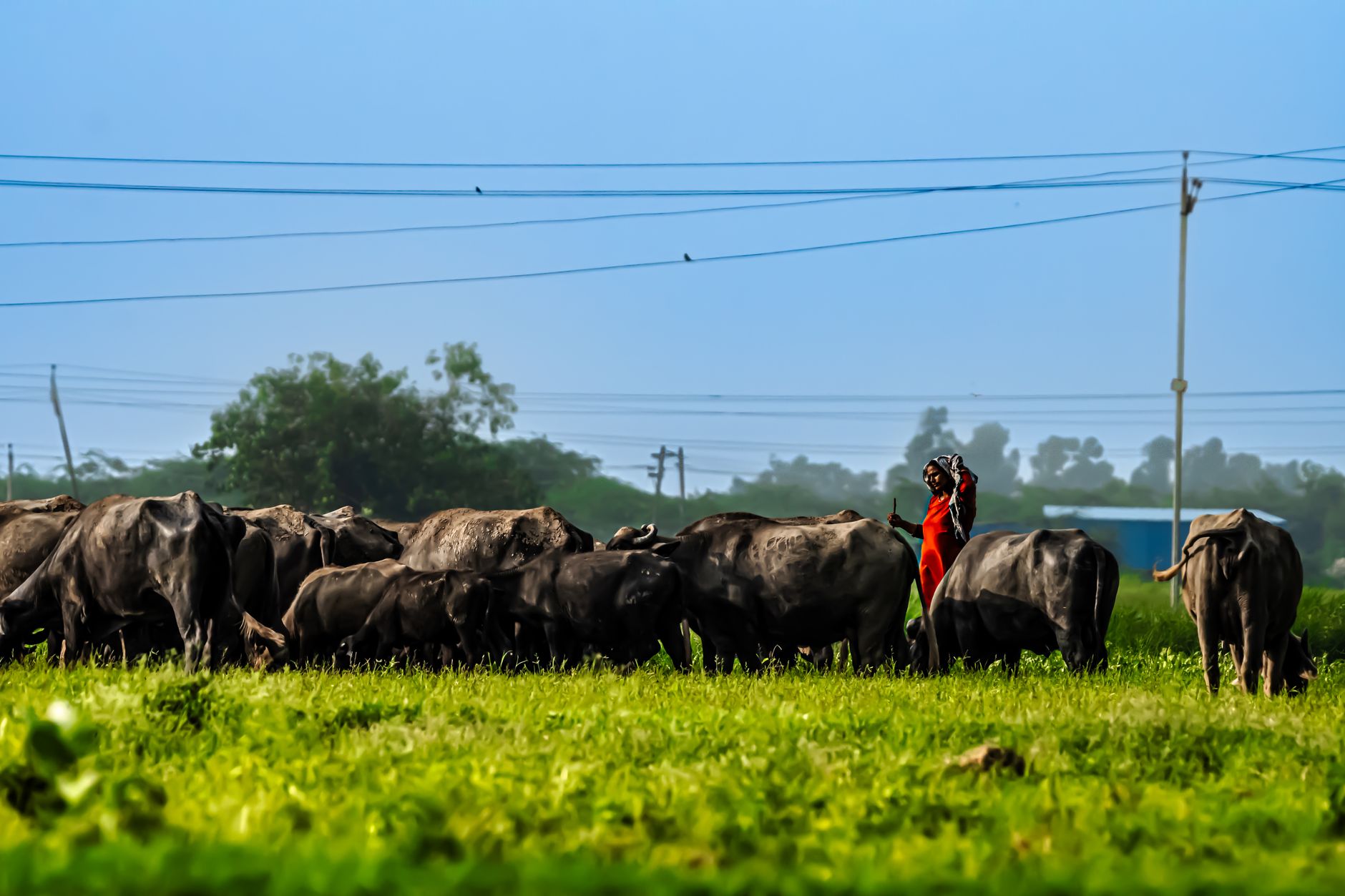
The buffalo milk offering during Bahag Bihu is a ritual that's deeply intertwined with the agricultural cycle and the cultural reverence for life in Assamese tradition. It's the Assamese New Year festival, marking the onset of spring and the sowing season, a time when the community comes together to celebrate the renewal of life and the bounty of nature. Cattle, especially buffaloes, play a crucial role in this celebration, as they're indispensable partners in Assamese agriculture and sustenance, providing milk, labor, and economic stability. The social value of buffaloes is just as significant, with their presence often determining a family's status and well-being.
The traditional ritual of offering the first milk from buffaloes to the deities and elders is a significant part of Bahag Bihu, signifying gratitude for nature's bounty and seeking blessings for the new year. This ritual is not just a gesture of respect, but a recognition of the interconnectedness of human life with the natural world. The milk offering is symbolic of purity, fertility, and the community's dependence on the land and its creatures. It's a powerful expression of the Assamese people's reverence for life and their understanding of the delicate balance between human existence and the environment.
The economic and social significance of buffaloes in Assamese culture can't be overstated, and their role in Bahag Bihu reflects this importance. The festival is a celebration of the community's relationship with the land, and the buffalo milk offering is a poignant reminder of the need to respect and honor this relationship. As the community prepares for the new year, the ritual serves as a powerful symbol of their connection to the natural world and their commitment to preserving it. The banning of this ritual by British colonial laws would have far-reaching consequences, disrupting a delicate cultural balance that's still felt today.
Colonial Misinterpretations and the Ban on the Milk Offering

The British colonial authorities' perception of the buffalo milk offering was a stark reflection of their inability to comprehend indigenous practices, viewing it instead through the lens of exploitation rather than reverence. This misunderstanding stemmed from the prevailing Victorian sensibilities regarding animal welfare, which emphasized the protection of animals from cruelty, but failed to account for the cultural significance of such rituals. As a result, the practice of offering the first buffalo milk was classified as an act of cruelty, rather than a symbolic gesture of respect and gratitude towards nature. The British saw it as a form of exploitation, where the buffalo was being used for human benefit without regard for its well-being.
This cultural insensitivity was compounded by the imposition of foreign ethical standards, which underpinned the colonial interventions in indigenous practices. The British colonial laws, informed by these sensibilities, began to prohibit such practices during Bihu celebrations, often through informal edicts at first, but later formalized into specific regulations. These regulations, though aimed at preventing animal cruelty, ended up disrupting the delicate cultural balance of the community, as they failed to consider the nuances of the ritual and its significance to the people. It's a classic case of cultural misinterpretation, where the colonizers' own values were imposed on the colonized, without any attempt to understand the context or significance of the practices they were trying to regulate. The consequences of these actions are still felt today, as the community continues to grapple with the loss of traditional practices and the erosion of cultural heritage. You've got to wonder what would have happened if the British had taken the time to understand the ritual, rather than simply banning it. The cultural landscape of the region would likely be very different today.
The Lingering Echoes: Tradition Under Colonial Pressure

The initial ban on the Bahag Bihu milk offering sent shockwaves through the Assamese community, leaving many confused and resistant to the sudden disruption of their traditional practices. It's a testament to the community's resilience that they found ways to adapt, but the shift was undeniable. As the British colonial laws took hold, the milk offering was forced from public view, either pushed into private memory or observed in secret, away from prying eyes. This subtle shift in the outward observance of the festival marked a significant turning point in the history of Bahag Bihu.
The colonial intervention in Assamese cultural practices represents a broader pattern of cultural disruption, one that's all too familiar in the history of indigenous communities. It's a story of erasure, of indigenous knowledge systems being suppressed or forgotten in the face of colonial dominance. The ban on the milk offering was just one part of a larger effort to regulate and control the cultural practices of the Assamese people. You've got to consider the long-term effects of such interventions, which can be devastating for communities that rely on traditional practices to connect with their heritage.
Contemporary observances of Bahag Bihu are largely vibrant and full of life, but they can't escape the historical weight of these disrupted traditions. Sometimes, this leads to a disconnect from the original agricultural symbiosis that the festival was meant to celebrate. It's as if the community is trying to reclaim a lost connection, one that was severed by the colonial ban on the milk offering. The festival still holds a deep significance for the Assamese people, but it's a significance that's been filtered through the lens of colonialism and cultural disruption. That's a heavy burden to carry, and one that continues to shape the way the festival is observed today.
Reclaiming the Sacred in the Face of Historical Disruption
The Bahag Bihu buffalo milk offering was a deeply spiritual and agricultural tradition, not an act of cruelty, and its prohibition by the British stemmed from cultural misunderstanding. This prohibition disrupted a vital link between the Assamese people, their land, and their sacred practices. Understanding this history allows for a richer appreciation of Bahag Bihu and the importance of preserving indigenous traditions from misinterpretation. You've got to consider the context and intentions behind a tradition before judging it, and that's what's missing when we view local festivals through a modern or foreign lens. Seek out and understand the deeper meanings behind local festival traditions before judging them through a modern or foreign lens. This is how we can truly appreciate the significance of Bahag Bihu and other festivals like it, and that's what will help us move forward with a deeper respect for the cultures that shaped them.
Sources & References
- Gauhati High Court Bans Buffalo, Bulbul Fights On Magh Bihu While ...
- [PDF] Folklore Of Assam
- Defying the Supreme Court's verdict on the ban of buffalo fights ...
- [PDF] Anglo-assamese Relations 1771-1826
- April 14 is notable in India for a variety of regional New Year ...
- [PDF] CHAPTER II ASSAM AND ITS PEOPLE - NBU-IR
- [PDF] THE ASSAMESE
- [PDF] AL:t INDIA ORIENTAL CONFERENCE