

Beyond the Fields of Celebration
You know Vaisakhi for its vibrant harvest celebrations, but what if the festival's most profound story is about a single warrior’s sacrifice that changed the course of spiritual history? Vaisakhi's dual significance as a harvest festival and a spiritual commemoration is rooted in its connection to the natural cycle of growth and renewal. It's a time when farmers reap the rewards of their labor, and spiritual seekers reflect on their own journey. The festival's spiritual underpinnings are inextricably linked to the formation of the Khalsa, initiated by Guru Gobind Singh in a dramatic ceremony that would forever alter the trajectory of Sikhism. It was here that the Panj Pyare, the Five Beloved Ones, played a crucial role, and one of them, Daya Singh, took a step that would make him the first Khalsa warrior, his story often overshadowed by the larger event. His actions that day set in motion a chain of events that continue to inspire spiritual seekers to this day.
Vaisakhi's Roots — From Harvest Bounty to Spiritual Awakening
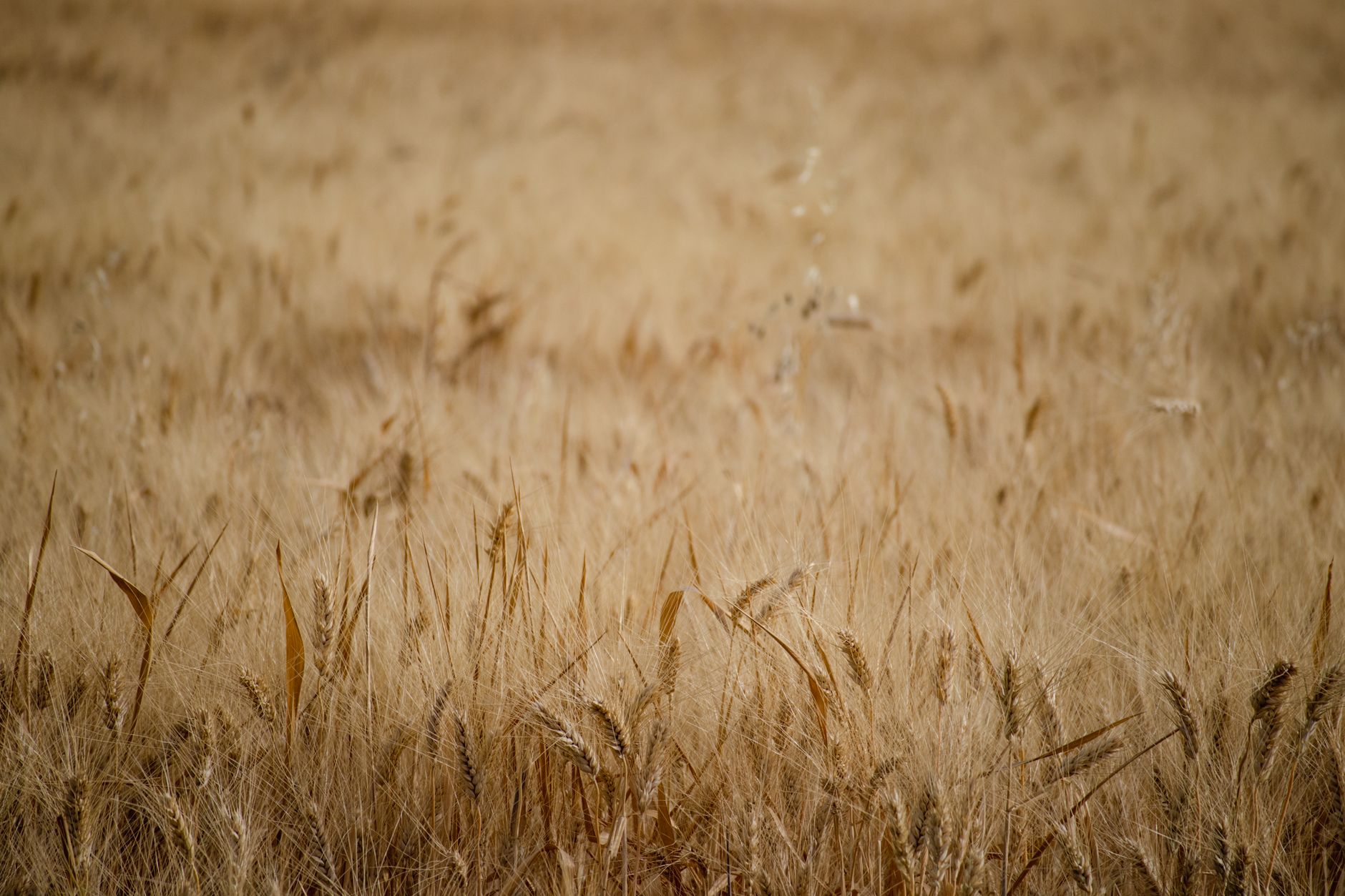
Vaisakhi's connection to the solar new year and spring harvest cycles is a thread that weaves through various Indian traditions, marking a time of renewal and bounty. It's a festival that historically celebrated astronomical events and agricultural prosperity, with community gatherings and rituals that brought people together to give thanks for the harvest. You've likely seen images of vibrant processions and heard stories of the joyful festivities that take place during Vaisakhi, but it's also a time that's deeply rooted in the country's agricultural heritage. The festival's ancient origins are tied to the solar new year, a time when the sun's journey is celebrated, and the arrival of spring is marked with rituals and ceremonies.
As you delve into the history of Vaisakhi, it becomes clear that the festival was once primarily an agricultural celebration, a time to come together and give thanks for the harvest. People would gather in their communities, sharing food and stories, and participating in rituals that were meant to ensure a good harvest in the coming year. It wasn't until 1699, when Guru Gobind Singh established the Khalsa Panth, that Vaisakhi took on a new layer of meaning, one that added spiritual and martial rebirth to the existing festival. This significant shift marked a turning point in the history of Sikhism, and it's what sets Vaisakhi apart from other harvest festivals.
The traditional agricultural celebrations were still present, but they were now contrasted with a new spiritual dimension, one that emphasized the importance of creating a community of the pure and righteous. Guru Gobind Singh's intent was to create a community that was grounded in spiritual principles, and Vaisakhi became a celebration of that community's values. That's what makes Vaisakhi so unique, it's a festival that's both a celebration of the harvest and a call to spiritual awakening. It's a time when people come together to reflect on their values and their place in the world, and to renew their commitment to living a life of service and devotion. The story of Vaisakhi is complex, and it's one that continues to evolve to this day.
The Genesis of the Khalsa — A Guru's Call to Courage

Guru Gobind Singh's call to courage at Anandpur Sahib was a dramatic event that would change the course of Sikh history. He asked the sangat for heads, a request that was met with initial hesitation and even fear. The crowd was stunned, and it seemed like no one was willing to step forward. But then, one by one, the Panj Pyare, the Five Beloved Ones, came forward, embodying selfless courage and devotion. They were the first to respond to the Guru's challenge, and their actions would set the tone for the formation of the Khalsa.
The Panj Pyare's bravery was not just about physical courage, but also about spiritual commitment. They were the first to undergo the amrit sanchar, an initiation ceremony that symbolized spiritual rebirth and commitment to a life of righteousness and service. This ceremony was a radical departure from traditional initiation rituals, and it marked the beginning of a new community, one that was bound together by a shared sense of purpose and identity. The amrit sanchar was a powerful symbol of the Khalsa's commitment to upholding justice and defending the oppressed, and it continues to be an important part of Sikh practice to this day.
The Khalsa was a revolutionary concept, a community of initiated Sikhs with a distinct identity and a mandate to challenge injustice and defend the vulnerable. Guru Gobind Singh's vision was not just about creating a new community, but about creating a new kind of human being, one who was committed to living a life of service, compassion, and courage. The Khalsa was not just a religious community, but a social and political force, one that would challenge the status quo and fight for justice and equality. It's a legacy that continues to inspire and motivate Sikhs around the world, and it's a reminder that the true spirit of Vaisakhi is not just about celebration, but about commitment to a higher purpose. The story of the Khalsa's formation is a complex and multifaceted one, and it's a story that continues to unfold to this day.
The Unsung Hero — Daya Singh's Forefront Devotion

Daya Ram's spontaneous decision to volunteer as the first to offer his head in response to Guru Gobind Singh's call is a moment that has been somewhat overshadowed by the broader narrative of the Khalsa's formation. Yet, it's this act of immediate faith and bravery that sets the tone for the spirit of selfless service and readiness to defend dharma that would come to define the Khalsa. By being the first, Daya Ram, later known as Daya Singh, didn't just make a physical offering, he made a spiritual commitment that inspired others to follow in his footsteps. This wasn't just about physical courage, but about embodying the principles of nishtha, or steadfast faith, and tyaga, or sacrifice, that are core to Sikh philosophy and resonate deeply within broader Indic spiritual thought.
The significance of Daya Singh's act can't be overstated, as it served as a catalyst for the formation of the Khalsa, embodying the very spirit Guru Gobind Singh sought to instill in his followers. It's a powerful reminder that the true strength of the Khalsa lies not in its numbers or military prowess, but in the depth of its members' commitment to their faith and their willingness to stand up for what is right, even in the face of adversity. Daya Singh's devotion is a testament to the human spirit's capacity for growth and transformation, and his legacy continues to inspire Sikhs around the world to this day. His story is a reminder that the path to spiritual growth and self-realization is often marked by challenges and sacrifices, but it's in these moments of hardship that we discover our true character and the depth of our convictions. The story of Daya Singh serves as a powerful reminder of the enduring power of faith and sacrifice.
Vaisakhi's Enduring Legacy of Sacrifice and Service
Vaisakhi celebrates the harvest season, but it's also a time to honor the spiritual rebirth of the Khalsa, initiated by Guru Gobind Singh. This moment marked a profound transformation, as Sikhs committed to a path of selfless devotion and service. The courage of warriors like Daya Singh, the first of the Panj Pyare, forms the foundation of this legacy. His bravery reminds us that spiritual growth often requires sacrifice and hardship. The formation of the Khalsa was a moment of transformation and commitment. This Vaisakhi, reflect on the spirit of sacrifice and service that underpins the festival, honoring the courage of those who laid the foundation for spiritual resilience.
Sources & References
- Baisakhi Festival and the Story Behind the Formation of the Khalsa Panth
- Vaisakhi: A Celebration of Harvest, Revolution, & Renewal | Surender Pal Singh | Sikh Research Institute
- Celebrating Vaisakhi: The Story Behind the Sikh Festival
- Happy Vaisakhi! Every springtime, we gather our children under the ...
- The birth of the Khalsa was a revolution where those who were ...
- Vaisakhi: The Festival That Changed Sikh History Forever
- Vaisakhi. The Birth of Khalsa - 1699 | by Itihaas.thehistory - Medium
- The Birth of the Khalsa | Vaisakhi's Sacred Story - YouTube

