
Beyond the Lamps and Sweets — A Festival's Hidden Genesis
You know Diwali as the Festival of Lights, a joyous celebration of victory and homecoming, but the ancient texts whisper a story that's far older, more complex, and deeply connected to cosmic cycles that predate its most popular narratives. The festival's timing, dictated by the lunar calendar, is a testament to the intricate dance between earth and moon, where the new moon's arrival marks the beginning of a new cycle. It's this precise astronomical observation that has been a cornerstone of Hindu festivals for millennia, with Diwali falling on the darkest night of the month, a time when the stars shine brightest. This alignment of celestial bodies is more than just a coincidence, it's a reflection of the ancient Vedic traditions that revered the cosmos and its rhythms, laying the groundwork for a festival that would eventually become synonymous with light, abundance, and the triumph of good over evil. As we delve into the history of Diwali, it becomes clear that its story is not a fixed entity, but a dynamic, evolving narrative that has been shaped by various philosophical and cultural influences over the centuries. The festival's connection to the lunar cycle is just the beginning of a fascinating story that spans thousands of years.
The Cosmic Calendar — Diwali's Roots in Vedic Astronomy

Diwali's placement on the new moon of the Ashwin month is no coincidence, as it's tied to the autumnal equinox and agricultural cycles, signifying the harvest's end and a transition. This timing is rooted in the concept of ritu, or season, which was a primary marker for significant observances in Vedic cosmology. The nakshatra, or lunar mansion, also played a crucial role in determining the timing of rituals and festivals. You've probably noticed that Diwali always falls on the Amavasya, or new moon, of the Ashwin month, which is a deliberate choice based on these ancient astronomical and agrarian connections.
The early Brahmanical texts and the Grihya Sutras allude to rituals of light and prosperity during this transitional period, focused on appeasing ancestors and ensuring future abundance. These rituals were likely centered around the harvest's end and the beginning of a new cycle, with the lighting of lamps and fires symbolizing the triumph of light over darkness. It's surprising to see how these ancient texts emphasize the importance of honoring the ancestors and the natural world during this time, rather than the more anthropocentric narratives that became associated with the festival later on.
The contrast between the agrarian and cosmic focus of the early rituals and the later, more human-centered stories is striking. That's what makes Diwali's history so fascinating - it's a dynamic, evolving narrative that has been shaped by various philosophical and cultural influences over the centuries. The festival's connection to the lunar cycle and the autumnal equinox is just the beginning of a complex story that spans thousands of years, and it's only by exploring these ancient astronomical and agrarian connections that we can truly understand the significance of Diwali. It's a story that continues to unfold, and one that still holds many secrets and surprises.
The Rise of the Epics — Lakshmi, Yama, and the Narrative Shift

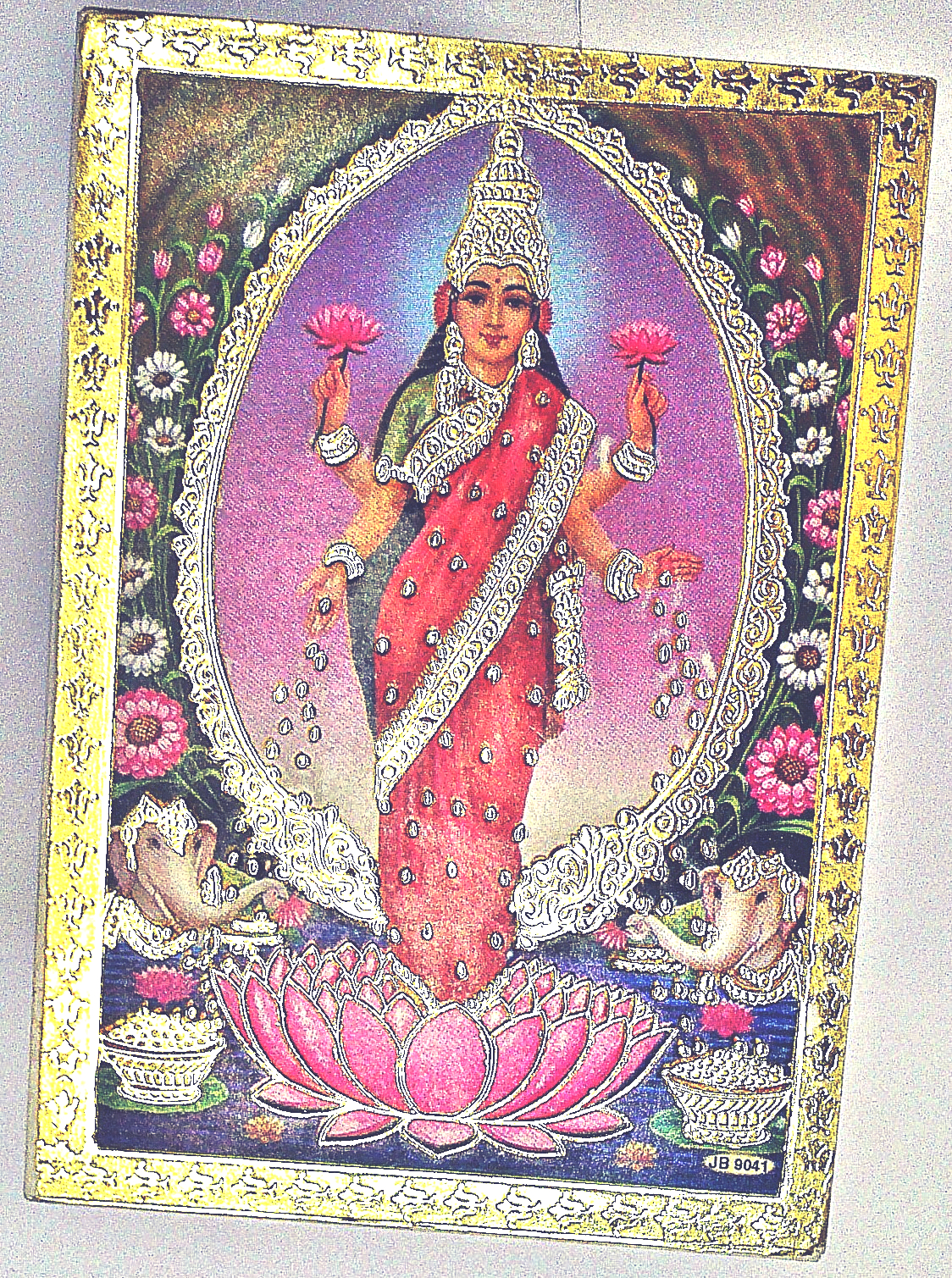
The story of Lakshmi's birth from the churning of the cosmic ocean, known as Samudra Manthan, is a fascinating one, and it's often linked to the time of year when Diwali is celebrated. According to Puranic lore, Lakshmi emerged from the ocean, and her marriage to Vishnu is sometimes seen as a symbol of the divine union that occurs during this auspicious period. This narrative has become deeply intertwined with the festival, and it's not hard to see why - the idea of a goddess born from the primordial waters, bringing light and prosperity to the world, is a powerful one. It's a story that has been retold and reinterpreted over the centuries, and it continues to captivate people to this day.
The Katha Upanishad also offers a compelling story associated with Diwali, that of Yama and Nachiketa, where Nachiketa's journey to the underworld and Yama's subsequent boon signify mastery over death and spiritual knowledge. This story is a reminder that Diwali is not just a celebration of light and prosperity, but also a time for reflection and contemplation on the nature of life and death. You've likely heard this story before, but it's worth revisiting, as it adds a layer of depth to the festival that's often overlooked. The story of Yama and Nachiketa is a complex one, and it's open to multiple interpretations, which is part of its enduring appeal.
The dominant narrative of Diwali, however, is the story of Lord Rama's return to Ayodhya after defeating Ravana, as depicted in the Ramayana. This story has become a central theme for Diwali celebrations, symbolizing the triumph of dharma over adharma. It's a story that's been retold and reenacted countless times, and it continues to inspire people to this day. That's because it's a story that speaks to something fundamental in human nature - the desire for justice, the need for righteousness to prevail. Regional variations in these epic associations are also worth noting, such as Krishna's defeat of Narakasura in certain traditions, which highlights the diverse layers of meaning that have accumulated around Diwali over time. These variations add to the richness and complexity of the festival, and they remind us that there's no one "right" way to celebrate Diwali. The festival is a multifaceted one, and it's capable of accommodating a wide range of interpretations and traditions.
Philosophical Underpinnings — Light as Knowledge and Liberation
The lighting of lamps during Diwali is often seen as a symbolic act of invoking divine light within oneself and the environment, aligning with Advaita philosophy's emphasis on the oneness of existence. You've likely heard the phrase tamaso ma jyotir gamaya, which translates to "lead me from darkness to light", and this concept is at the heart of Diwali's philosophical underpinnings. It's a call to move from ignorance to knowledge, from the darkness of unawareness to the light of consciousness, or chit. That's what the jyoti, or light, represents in Hinduism - the dispelling of avidya, or ignorance, and the revelation of true understanding.
This inner journey of self-realization is what Diwali is truly about, a chance to reflect on one's own darkness and seek the light within. It's not just about the outward celebration of light, but about the inner illumination that the festival encourages. The lighting of lamps can be seen as a physical representation of this inner journey, a reminder that the true victory is over one's own inner darkness, not just the defeat of some external enemy.
The Upanishadic concept of tamaso ma jyotir gamaya is particularly relevant here, as it frames Diwali as an opportunity for spiritual growth and self-awareness. It's a time to acknowledge the darkness within and seek the light that can guide us towards liberation. That's why the festival is often associated with the idea of moksha, or spiritual liberation, and the attainment of true knowledge and understanding. Don't get caught up in the outward trappings of the celebration - the true meaning of Diwali is found in its philosophical underpinnings, and the journey of self-discovery that it represents. It's a journey that's ongoing, and one that requires constant effort and reflection, but the rewards are well worth it.
Diwali — A Tapestry of Time and Meaning
Diwali's origins are rooted in ancient astronomical observations, agrarian cycles, and evolving philosophical narratives. The festival's timing reflects a deep connection to cosmic rhythms, emphasizing transition, harvest, and the pursuit of auspiciousness. It's a celebration that's deeply tied to the earth and the heavens, with the changing seasons and the movement of the stars influencing its timing. The stories of divine victories are well-known, but they're just one part of the festival's meaning. The deeper significance lies in the symbolic triumph of light over darkness, knowledge over ignorance, and inner awakening. This Diwali, look beyond the familiar stories and consider the ancient cosmic cycles and inner illuminations that this festival has celebrated for millennia. You've got a chance to connect with the deeper meaning of Diwali, and that's what makes it so special. It's a time for reflection, a time for growth, and a time to let the light shine within you.
Sources & References
- Why do we celebrate Diwali? Story behind ... - The Economic Times
- The Diwali story & how the Festival of Lights is celebrated
- The Many Legends of Diwali - Google Arts & Culture
- The Popular Stories behind the origin of Diwali : r/india - Reddit
- Diwali | A Guide to Religious Observances | Resources | Center for Spiritual Life | Brandeis University
- Diwali's rich mythology encompasses various divine narratives. Let's ...
- Diwali—Festival of Lights | National Geographic Kids
- Diwali — CultureAlly