
The Unsung Heroine of Ayodhya's Exile
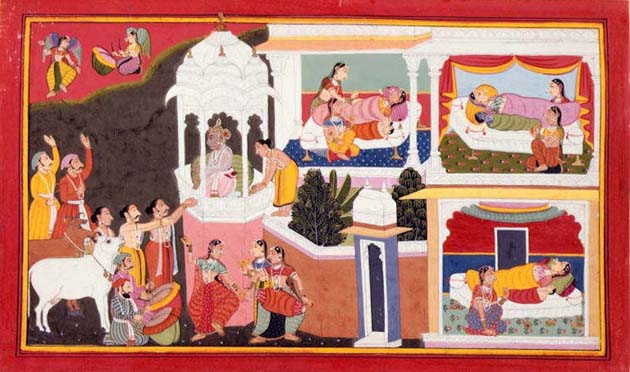
While Rama, Sita, and Lakshmana journeyed into the forest for fourteen years, a queen remained behind, her own story of sacrifice rarely told. Urmila, the wife of Lakshmana, was married and then immediately separated from her husband, a circumstance that would test her commitment and patience. Her marriage was a celebration, but it was quickly followed by the harsh reality of separation, as Lakshmana chose to accompany his brother Rama into exile. This unique situation set Urmila apart from other characters in the Ramayana, as she embodied a silent strength, waiting and watching, her actions a testament to her profound sense of dharma. Urmila's story is one of profound selflessness, a quality that defined her character and guided her actions during those long years of waiting.
The Choice Made Before the Forest Path
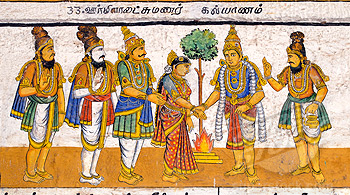
Urmila's situation was unique, a silent queen waiting in the shadows, her story intertwined with that of her sister Sita and her husband Lakshmana. As Sita's younger sister, Urmila was born into a lineage of strong women, and her marriage to Lakshmana, the devoted brother of Rama, was a significant event. On their wedding night, Lakshmana chose to accompany Rama into exile, leaving Urmila behind, a decision that would change her life forever. This context is crucial, as it highlights Urmila's own choice: she was not exiled, but rather chose a path of silent endurance, out of devotion to her husband and his dharma.
Societal expectations of queens and wives in ancient India were clear: they were to accompany their husbands, support them, and manage the household. Urmila's situation defied these conventional roles, as she remained behind, waiting for her husband's return. It's a testament to her character that she didn't accompany Lakshmana, instead choosing to wait, her actions guided by a deep sense of duty and loyalty. You've got to consider the circumstances: a newlywed woman, left alone on her wedding night, with no clear idea of when her husband would return.
Urmila's choice was not an easy one, and it's interesting to note that her decision was likely influenced by her understanding of dharma, and the role she was expected to play as a wife. Her actions were a reflection of her commitment to her husband and his family, and it's clear that she was willing to make significant sacrifices for their sake. It's a complex situation, and one that highlights the tensions between personal desire and duty. Urmila's story is a powerful reminder that dharma is not just a set of rules, but a living, breathing practice that requires constant negotiation and compromise. That's what makes her story so compelling, and so worthy of exploration.
Urmila's Fourteen Years of Vigil and Sleep

Urmila's deep sleep, granted by Goddess Nidra, is often misunderstood as a passive act, but it's actually a profound act of tapas, a austerity that allowed her to channel her grief and longing into a meditative state. This boon enabled her to remain undisturbed for the entire fourteen years of Lakshmana's absence, enduring the pain of separation in a way that's both heartbreaking and admirable. It's a testament to her strength, not weakness, that she could surrender to this deep sleep, allowing her to conserve her energy and focus on her inner world.
The symbolism of this deep sleep is complex, and it's not just about avoiding the pain of separation, but about transforming it into a spiritual practice. Urmila's sleep is not laziness, but a deliberate choice to endure, to bear the burden of her longing and her duty as a wife and a queen. This active choice sets her apart from other characters who suffer passively, and it's what makes her sacrifice so powerful, albeit silent. Her commitment to her dharma is unwavering, even when it means giving up her own desires and needs.
It's interesting to note that some interpretations suggest Urmila's sleep allowed Lakshmana to remain vigilant without the burden of worrying about her, thus aiding his dharma. This perspective highlights the interconnectedness of their duties and their sacrifices, and how Urmila's choice to sleep was not just about her own personal struggle, but about supporting her husband's mission. Her sleep becomes a form of selfless service, a way to support the greater good, even if it means putting her own needs on hold. Urmila's story is a powerful reminder that dharma is not just about individual duty, but about the web of relationships and responsibilities that bind us together.
The Dharma of Selfless Service and Duty

Urmila's unwavering dedication to her husband's mission is a striking example of dharma in action, where duty and righteousness converge in a powerful display of selfless service. Her choice to support Lakshmana's dharma, even if it means putting her own needs on hold, is a testament to the complex web of relationships and responsibilities that underpin the concept of dharma. Dharma is often understood as an individual's duty and righteousness, but Urmila's story highlights the importance of interpersonal dharma, where one's actions support the greater good.
This is echoed in the concept of karmayoga, as described in the Bhagavad Gita, where performing one's duty without attachment to personal comfort or recognition is the key to spiritual growth. Urmila's actions embody this principle, as she quietly supports her husband's mission without seeking recognition or reward. The Ramayana, while often focused on the heroic deeds of men, subtly weaves in narratives of female strength and resilience, with Urmila's selfless devotion being a prime example.
The fact that Urmila's sacrifice is often overlooked is a reflection of the broader societal tendency to undervalue the contributions of women. Her story serves as a reminder that dharma is not just about grand acts of heroism, but about the quiet, unassuming actions of individuals who support the greater good. It's a call to recognize the silent contributions that underpin the larger narrative of righteousness, and to appreciate the complex, often unseen ways in which individuals like Urmila embody the principles of dharma. Urmila's story will continue to resonate with anyone who's ever had to put someone else's needs before their own.
The Enduring Legacy of the Silent Queen
Urmila's fourteen-year wait, marked by her deep sleep, is a testament to her unwavering commitment to dharma. This profound sacrifice, though often overlooked, speaks to the silent strength and selfless service that women like Urmila embody. Her story weaves a nuanced narrative of duty and devotion, one that enriches our understanding of the Ramayana's multifaceted exploration of these principles. You've likely encountered such silent sacrifices in your own life, made by those who put others before themselves without expectation of reward or recognition. Reflect on the silent sacrifices made by those around you, and acknowledge the power of duty performed without expectation of reward. That's where the true depth of dharma is revealed, in the everyday actions of individuals like Urmila, and it's a powerful reminder to appreciate those who support us quietly, day after day.
Sources & References
- Ramayana's Most Forgotten Sacrifice (Urmila's Untold Story)
- How did Urmila spend 14 years in the absence of Laxman?
- Urmila
- The unsung sacrifice of Urmila
- Few know the story of Urmila, Laxman's wife and one of the ...
- Urmila's Silent Sacrifice in Ramayana | PDF
- How did Lakshman stay awake for so many years?
- Did you know Laxman didn't sleep for 14 years to take care ...