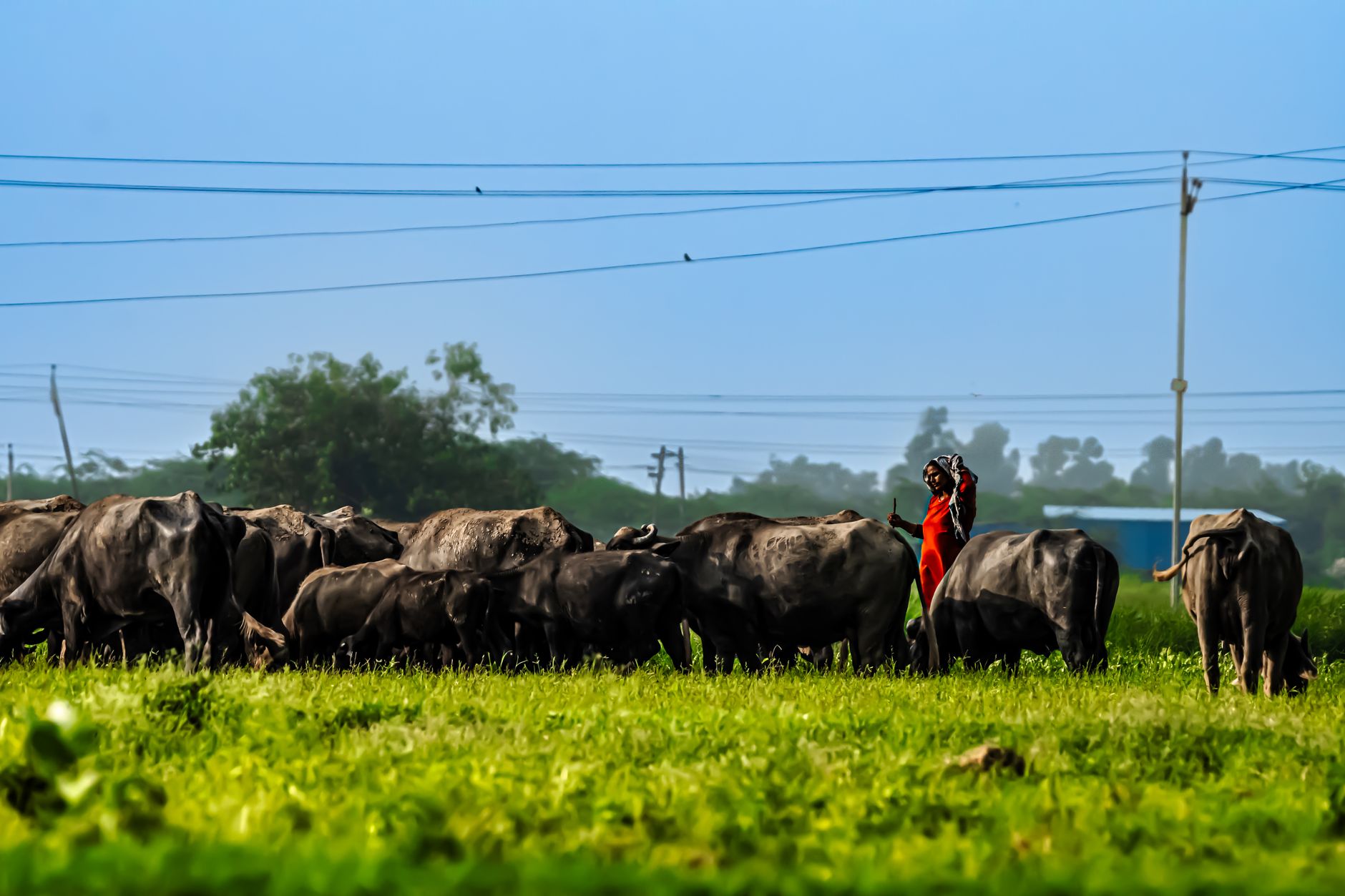

Beyond the Fields — The True Spirit of Goxhai
When you hear about Bahag Bihu, you think of spring harvests and vibrant celebrations. But hidden within its festivities lies a ritual that elevates a humble creature to divine status. The Goxhai ritual is a profound expression of reverence for cattle, recognizing their sacred partnership with humans. It's not just about the agricultural cycle, it's about the animals that make it possible. Cattle are venerated as embodiments of deities, their welfare closely tied to human spiritual progress. This ritual is a testament to the complex relationship between humans and animals in Hindu tradition, one that goes beyond mere utility. It's a reminder that our actions have consequences, and that the way we treat these creatures reflects our own dharma. The Goxhai ritual is a celebration of this sacred bond, one that's often overlooked in favor of more flashy festivities.
Bahag Bihu and the Sacredness of Cattle

Cattle are not just farm animals in Hindu tradition, they're sacred beings often associated with deities like Lord Krishna and Goddess Lakshmi. This reverence is deeply rooted in the concept of ahimsa, or non-violence, which extends to all living beings, particularly those integral to human sustenance and livelihood. Bahag Bihu, marking the Assamese New Year, is intrinsically linked to the agricultural calendar, and cattle play a vital role in it. The festival celebrates the beginning of the sowing season, and cattle are essential for plowing fields and providing dairy products. It's no surprise then that Bahag Bihu honors these animals in a unique way. The Goxhai ritual, a specific observance within the festival, directly honors cattle. You've probably heard of Bahag Bihu as a celebration of agriculture and new beginnings, but the Goxhai ritual shows that it's more nuanced than that. The traditional view of cattle as sacred is not just about their utility, it's about the spiritual significance they hold. Lord Krishna, often depicted as a cowherd, is a prime example of this reverence. That's why the Goxhai ritual is so important - it's a celebration of the sacred bond between humans and animals. Don't think that this reverence is limited to cattle alone, the concept of ahimsa extends to all living beings, and that's what makes the Goxhai ritual so significant. It's a reminder that our actions have consequences, and that the way we treat these creatures reflects our own dharma. The Goxhai ritual is a celebration of this sacred bond, one that's often overlooked in favor of more flashy festivities, and that's what makes it so interesting.
The Goxhai Ritual — A Divine Partnership

The concept of Goxhai as divine entities is what sets the Goxhai ritual apart from other agricultural festivals, it's not just a ritual name, but a reflection of the cattle themselves being considered sacred. This idea is rooted in the belief that the prosperity of the land and the people is a shared outcome of the human-cattle partnership, thus necessitating their honor. The ritual begins with the bathing of the cattle, a symbol of purification, followed by decorating them with vibrant colors and patterns, signifying the beauty and importance of their role in society.
It's a remarkable display of gratitude, as the community comes together to offer prayers and specific foods to the cattle, acknowledging their contribution to the well-being of the people. The food offerings are particularly significant, as they're often made from the very crops that the cattle help to produce, creating a sense of circularity and interconnectedness. This reciprocal relationship is at the heart of the Goxhai ritual, highlighting the interdependence of humans and cattle in achieving prosperity.
The philosophical underpinnings of the Goxhai ritual are deeply rooted in the concept of Dharma, which emphasizes the importance of upholding one's duty and responsibility towards all living beings. By treating cattle with respect and care, the community is upholding its Dharma, recognizing that the well-being of these creatures is inextricably linked to their own. This notion is reinforced by the concept of ahimsa, which extends to all living beings, reminding us that our actions have consequences, and that the way we treat these creatures reflects our own character.
The Goxhai ritual is a powerful reminder of the sacred bond between humans and cattle, one that's often overlooked in favor of more flashy festivities. It's a celebration of the divine partnership between humans and cattle, and the shared outcome of their partnership, which is the prosperity of the land and the people. This ritual is a testament to the enduring power of this partnership, and the importance of honoring the creatures that contribute to our well-being. The ritual ends with a sense of renewal and gratitude, as the community comes together to acknowledge the importance of this sacred bond, and that's what makes it so compelling.
Connecting Goxhai to Human Spiritual Growth

The act of venerating cattle in the Goxhai ritual cultivates qualities of gratitude, empathy, and non-possessiveness in the practitioner, which is a surprising outcome given the ritual's agricultural context. It's through this veneration that individuals begin to see the world as interconnected, and their actions as having a direct impact on the well-being of all beings. From the Advaita Vedanta perspective, all beings are manifestations of the One Reality, so harming or disrespecting cattle is akin to disrespecting the divine within them, a notion that's both profound and unsettling.
This understanding encourages mindful interaction with nature and its creatures, a key aspect of yogic living, where every action is considered in the context of its effects on the world. You've likely noticed that this mindset shift isn't limited to the ritual itself, but permeates daily life, influencing how one treats all living beings. The ritual's emphasis on the well-being of cattle is also connected to the larger Hindu concept of lokasamgraha, or the welfare of the world, where individual actions contribute to universal harmony.
It's interesting to consider how the Goxhai ritual, often viewed as an agricultural tradition, has such a profound impact on the individual's spiritual growth, don't you think. The ritual's ability to foster a sense of gratitude, empathy, and non-possessiveness in the practitioner is a testament to its enduring power, and that's what makes it so compelling. As we reflect on the significance of the Goxhai ritual, it becomes clear that its importance extends far beyond the agricultural context, and into the very heart of human spiritual growth, and that's a truly remarkable thing.
References - Goru Bihu: Honouring Assam's Farming Lifeline
What's often overlooked in discussions of the Goxhai ritual is its connection to the Goru Bihu festival, which honors the cattle that are essential to Assam's farming lifeline. This festival is a celebration of the bond between humans and animals, and the Goxhai ritual is a key part of it. You've likely heard that the ritual is primarily about agriculture, but that's only part of the story. The ritual's focus on cattle is a nod to the important role these animals play in the region's ecosystem. It's a recognition that the land and the creatures that inhabit it are intertwined, and that's what makes the Goxhai ritual so unique. As people come together to honor the cattle, they're also acknowledging the interconnectedness of all living things, and that's a powerful message. The Goxhai ritual is more than just a celebration of agriculture, it's a celebration of the natural world and our place in it, and that's something we can all learn from.
Cultivating Reverence in Every Interaction
The Goxhai ritual of Bahag Bihu is a powerful reminder of the sacred bond between humans and cattle, recognizing them as divine partners. This bond is rooted in the understanding that all living beings are interconnected. Honoring cattle is an act of upholding Dharma, fostering gratitude, and contributing to the collective well-being. It's a mindset that can be applied to daily life, where approaching all beings with respect becomes a way of life. This Bahag Bihu, approach the cattle in your life, or even observe them in nature, with the understanding that they are sacred partners in the grand scheme of existence, and you'll find that this simple act can bring a deeper sense of connection and harmony to your life.
Sources & References
- Goru Bihu: Honouring Assam's Farming Lifeline
- Why is the festival Bohag Bihu celebrated in Assam, India? - Quora
- Bohag Bihu begins not in the marketplace, but in the cowshed ...
- Goru Bihu reflects the deep-rooted bond between - Prag News
- Goru Bihu celebrations honour the close bond between humans and ...
- Bohag Bihu marks the beginning of the Assamese New Year and ...
- On the eve of Bohag Bihu, the spirit of tradition is alive in Juganiya ...
- Cows are not worshipped. Nor are cows treated as Gau mata in ...